
Invisible string(s)
Exploring conspiratorial participatory practices among Swifties

Recent scholarship in media and cultural studies has begun to examine an unexpected overlap: the similarity between participatory fan cultures and conspiratorial forms of knowledge-making.
Using the fandom surrounding Taylor Swift as a case study, a new (open access) article by RPMS member Simone Driessen explores how playful fan speculation can resemble the interpretive practices commonly associated with conspiracy communities.
Rather than claiming that fans are extremists, Simone argues that certain modes of engagement—not the beliefs themselves—share structural and emotional features.
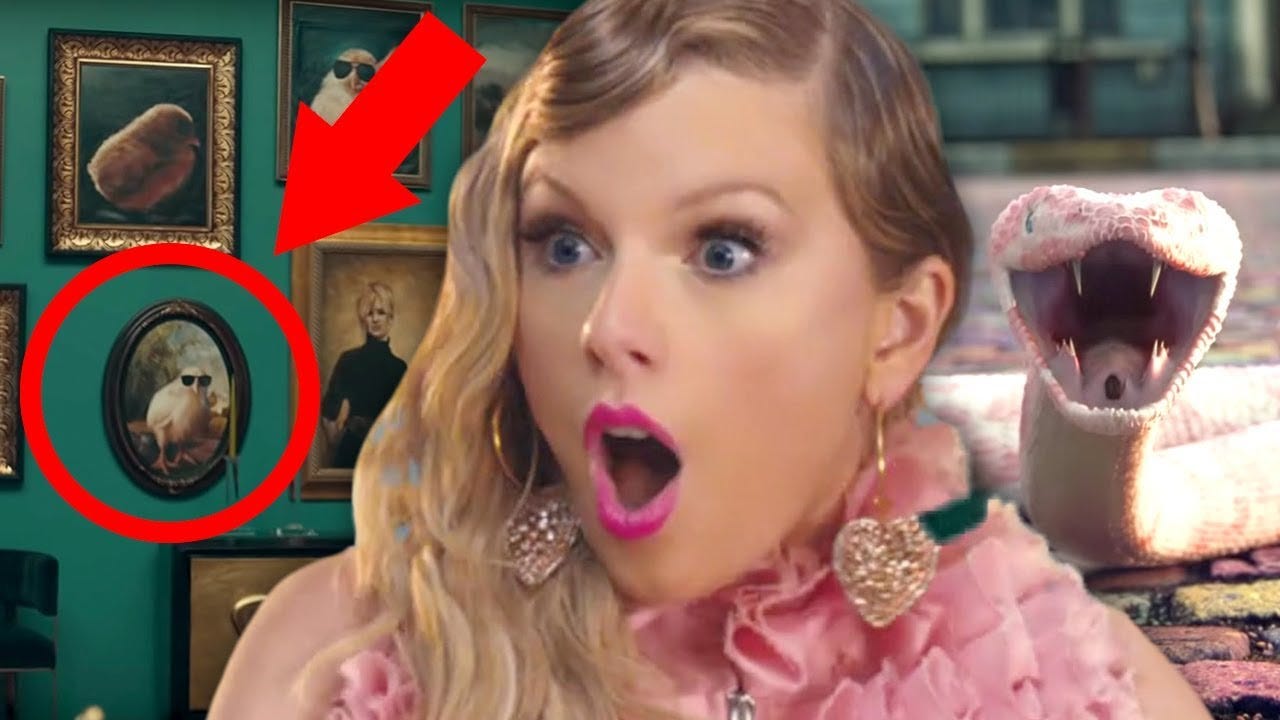
Hunting for Easter eggs as a form of collective meaning-making
Swift’s fandom, often referred to as ‘Swifties’. is known for intense interpretive activity.
Fans dissect lyrics, music videos, social media posts, and public appearances for hidden clues or “Easter eggs.” These practices fuel elaborate theories about future album releases, narrative arcs across her discography, and even her personal relationships.
Speculations linking her to other figures are not merely gossip; within the fandom, they become collaborative interpretive projects.
Simone’s study positions these activities as forms of collective meaning-making that build community, identity, and status.
Where fandom and conspiracy communities meet
At the core of the article’s argument is the concept of ‘affective investment’.
Both fandoms and conspiracy communities organize around strong emotional attachment to a central figure, narrative, or cause.
This emotional energy motivates participants to search for hidden meanings, connect disparate details, and share findings with others.
In ‘Swiftie culture’, this often manifests as joyful, creative play.
However, structurally similar processes appear in more politically charged communities, such as followers of QAnon, where decoding cryptic “clues” becomes a pathway to ideological commitment.
The study draws on interviews with 18 international Swift fans, focusing closely on three long-term participants.
These fans describe collective, online theory-building as a social activity that fosters belonging and expertise.
Knowing how to ‘read’ clues correctly becomes a form of subcultural capital.
Importantly, many fans express ambivalence: they enjoy speculation but also recognize when theories become far-fetched or intrusive.
This internal negotiation of credibility mirrors how conspiratorial groups distinguish between “plausible” and “fringe” claims.
Though in fandom however, the stakes are usually symbolic rather than political.
“Simone cautions that the normalization of this interpretive style may have broader cultural implications: digital platforms amplify speculative content through algorithms that reward engagement, emotional intensity, and novelty.”

Conspiratorial play and its implications
The article shows that, for these fans, speculation is framed as a pleasurable, game-like activity; a form of ‘conspiratorial play’.
Ambiguity is not a problem to be solved once and for all but a resource that sustains engagement.
Swift’s own artistic strategies (things like layered symbolism, recurring motifs, and strategic silence) create fertile ground for this interpretive play.
Fans do not passively consume media; they actively construct a shared ‘lore’ around the artist.
However, Simone cautions that the normalization of this interpretive style may have broader cultural implications: digital platforms amplify speculative content through algorithms that reward engagement, emotional intensity, and novelty.
As a result, practices of decoding, theorizing, and distrusting official narratives become routine parts of online life.
When these habits migrate into political contexts, they may make individuals more receptive to misinformation or polarizing narratives.

How participatory culture has changed
The article situates this shift within a larger transformation of participatory culture.
Early fan studies celebrated audience participation as empowering and democratizing.
Today, the same participatory logics operate in environments shaped by platform economies, viral outrage, and ideological polarization.
Fandom is no longer a marginal subculture; it is a mainstream mode of media engagement.
“Swifties’ activities reveal how conspiratorial styles of thinking can become normalized not through overt radicalization, but through playful, emotionally rewarding participation.”
This means that its interpretive habits - both creative and potentially problematic - circulate widely.
Importantly, the article does not pathologize Swift fans.
Instead, Simone uses fandom as a lens to understand how everyday digital practices blur the boundaries between entertainment, identity, and belief.
Swifties demonstrate how community, pleasure, and speculation intertwine in networked culture.
Their activities reveal how conspiratorial styles of thinking can become normalized not through overt radicalization, but through playful, emotionally rewarding participation.
In this sense, the study contributes to a growing body of research on the cultural mainstreaming of conspiratorial practices.
By examining fandom alongside conspiracy communities, it highlights shared dynamics of affect, collaboration, and interpretation: offering a nuanced framework for understanding how meaning-making in the digital age can move fluidly between play and politics.